




Cold Weather Does Not Mean Low UV Exposure

The Importance of Sunglasses During Winter
When most people think about sunglasses, summer sunshine usually comes to mind. Warm days, beach trips, and bright afternoons often define when eyewear feels essential. In reality, winter can be just as demanding on your eyes, and in some cases even more so. At PeakVision, we believe eye protection should be a year-round priority, not a seasonal afterthought.
Low Sun Angles Create Stronger Glare
Winter sunlight may feel softer, but it is often more intense in ways that are easy to overlook. The sun sits lower in the sky during colder months, which means its rays hit your eyes at a more direct angle throughout the day. This can create increased glare during everyday activities like driving, walking, or working outdoors. Morning and late afternoon sun can be especially harsh in winter, reducing visibility and causing eye strain when protection is not worn.
Snow and Ice Intensify UV Exposure
Another major factor is reflection. Snow, ice, and even light-colored pavement can reflect a significant amount of sunlight back into your eyes. Fresh snow can reflect a large portion of ultraviolet rays, effectively increasing your exposure. This reflection can lead to squinting, headaches, and visual discomfort, especially during extended time outdoors.
Ultraviolet exposure doesn't disappear when temperatures drop. UVA and UVB rays remain present throughout the winter, including on cloudy days. Long-term exposure can contribute to eye conditions such as cataracts and early signs of aging around the eyes. Cold weather can make the sun feel less intense, which often leads people to underestimate how much protection their eyes still need.
Winter conditions often bring wind and dry air, both of which can irritate the eyes. Sunglasses help block cold air, airborne debris, and harsh gusts that can dry out the eyes quickly. This added barrier helps maintain comfort, especially for people prone to dry eye symptoms or those who spend extended time outdoors.
Improved Visibility and Safety While Driving
For drivers, winter sunglasses can play an important role in safety. Low sun angles combined with reflective road surfaces can cause sudden glare that limits visibility. Proper lenses help reduce brightness and improve contrast, allowing for clearer vision and faster reaction times in challenging winter conditions.
Designed for Performance Beyond Summer
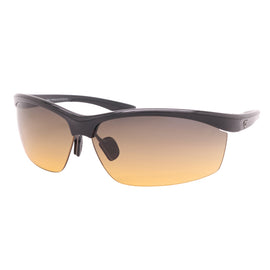
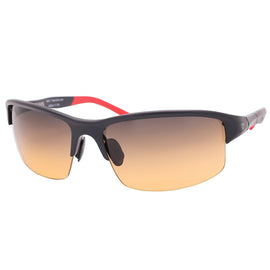
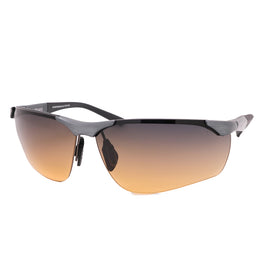
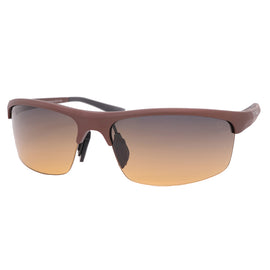
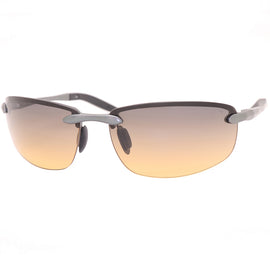
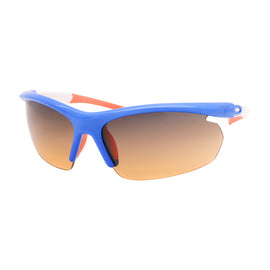
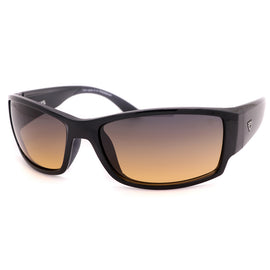
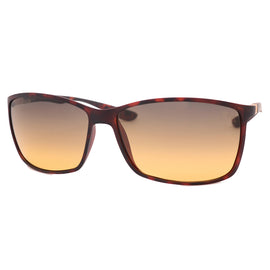
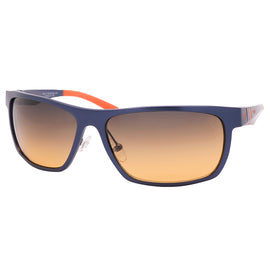
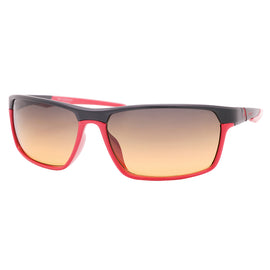
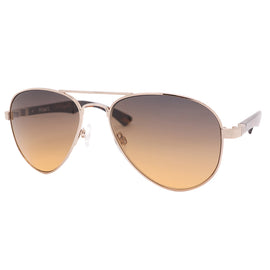
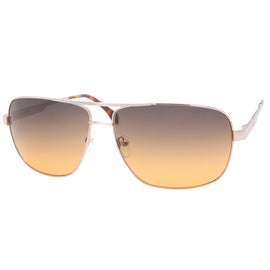
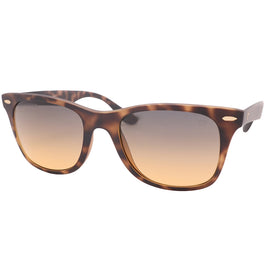
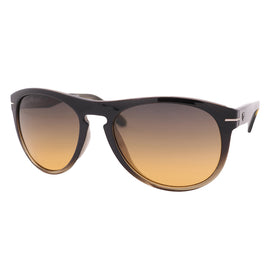
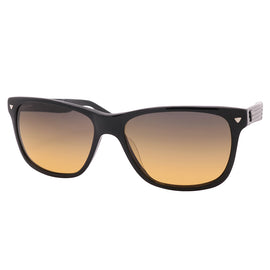
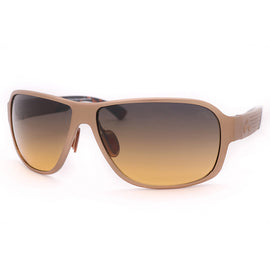
At PeakVision, our sunglasses are built for more than warm weather use. Each pair offers full UV protection and lenses designed to manage glare while maintaining visual clarity. Whether you are commuting, running errands, or enjoying winter activities, reliable eye protection supports comfort and performance in every season.
Wearing sunglasses in winter is not just about style. It is about protecting your long-term eye health and reducing daily strain in conditions that are often underestimated. Making sunglasses a consistent part of your routine helps preserve your vision through every season.