





Hidden Performance Risks of Polarized Lenses

Polarized Sunglasses Can Work Against You
Polarized sunglasses are often marketed as the ultimate solution for glare reduction. While polarization is highly effective for certain activities like boating or fishing, it is not always ideal for performance sports where surface detail and texture matter.
In fact, polarized lenses can sometimes hide critical visual information that athletes rely on. For sports like skiing and golf, this loss of detail can affect performance and even safety.
How Polarization Works
Polarized lenses reduce glare by filtering horizontally reflected light. This type of glare typically comes from flat, reflective surfaces such as water, pavement, or snow. By blocking this reflected light, polarized lenses create a darker, more muted visual field. While this sounds beneficial, the filtered glare can sometimes remove subtle surface reflections that reveal important environmental clues.
Why Surface Glare Isn’t Always the Enemy
Not all glare is harmful. In many outdoor sports, slight surface reflections help the brain interpret texture, moisture, and contour. When polarization removes too much reflected light, it can reduce your ability to distinguish subtle differences in surface conditions. For example:
- In skiing, the ability to see the difference between ice and soft snow is critical. Ice often reflects light differently than packed powder. When polarization filters out that reflective cue, it can flatten the visual field, making icy patches harder to detect. This increases the risk of unexpected slips or loss of control.
- In golf, fairway texture and moisture levels influence ball roll and shot selection. Morning dew, damp turf, and grain direction create small reflective signals that help golfers judge conditions. Over-polarization can reduce these cues, potentially affecting distance control and club choice.
The Depth Perception Factor
Something else to consider is depth perception. Polarized lenses can sometimes reduce contrast between subtle gradients of light on uneven terrain. When terrain appears visually flatter, athletes may misjudge slope, speed, or surface firmness.
For golfers, this can impact green reading and fairway evaluation. For skiers, it can affect edge control and reaction time.
Why Many Performance Athletes Choose Non-Polarized Lenses
In sports demanding accurate surface interpretation, many athletes prefer advanced non-polarized lenses designed to reduce harmful glare without eliminating essential visual detail. The goal is not to remove all reflected light, but to manage it intelligently.
The PeakVision Approach
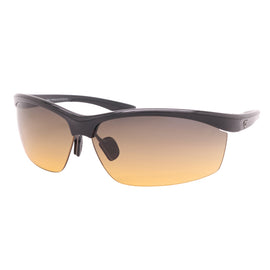
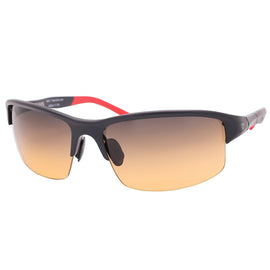
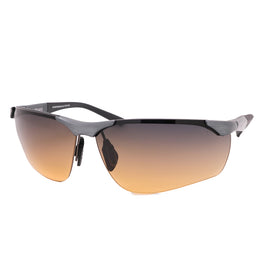
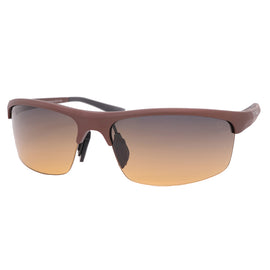
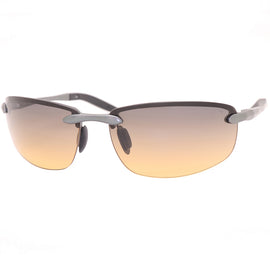
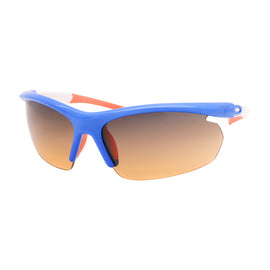
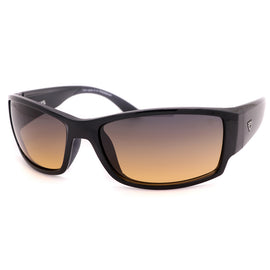
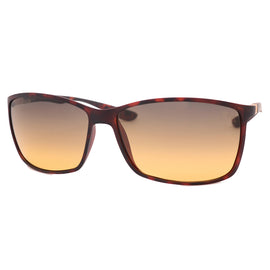
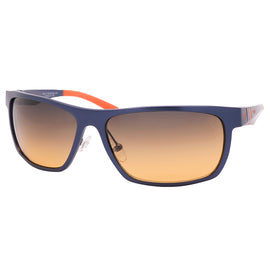
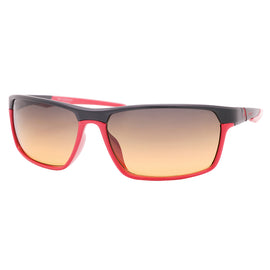
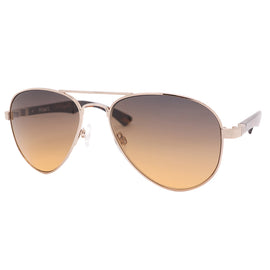
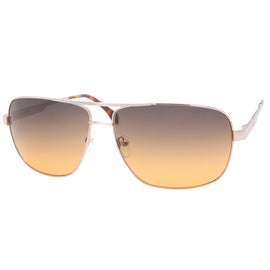
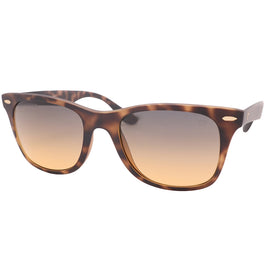
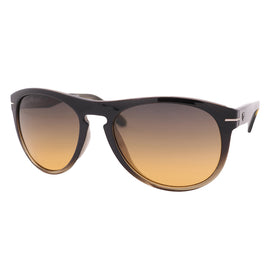
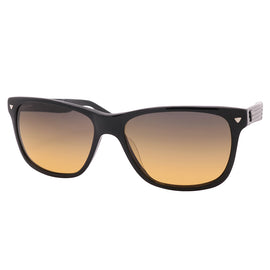
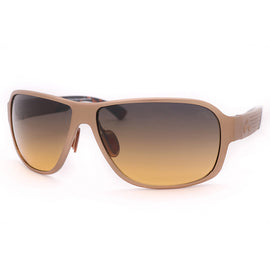
PeakVision sunglasses are engineered specifically for performance environments where visual accuracy matters. Rather than relying solely on polarization, PeakVision lenses incorporate advanced glare management technology that reduces harsh brightness while preserving the subtle reflective cues athletes need.
With UV400 protection blocking 100 percent of harmful UVA and UVB rays, PeakVision ensures full ultraviolet defense without sacrificing surface awareness. The result is enhanced clarity, preserved texture visibility, and more reliable depth perception.
Seeing What Matters Most
In high-performance sports, vision is information. When critical visual cues are muted or removed, performance and safety can suffer. Polarized sunglasses have their place, especially around water. But for activities like skiing and golf where surface conditions directly impact decision-making, maintaining texture visibility and accurate depth perception is essential.
PeakVision sunglasses are built for athletes who need to see everything that matters, not just less glare. Visit our Collections page to experience sunglasses engineered for athletes who demand true visual precision.