













How Lighting Conditions Change Throughout a Round

Your Vision Changes More Than You Realize During a Round
Most golfers think about weather conditions before a round. Wind speed, temperature, and course conditions all influence performance. But lighting is one factor that constantly changes throughout every round is often overlooked.
The way sunlight interacts with the course changes dramatically from the first tee to the final hole. As the sun moves, so do shadows, glare levels, contrast, and depth perception. These changing visual conditions can affect everything from ball tracking to green reading. Understanding how lighting evolves throughout a round can help golfers make better decisions and maintain more consistent visual performance.
Low Sun in the Early Morning
Morning rounds often begin with softer light and lower temperatures, but they also create unique visual challenges. When the sun sits low on the horizon, light enters the eyes at sharper angles, increasing glare and making it harder to track the ball cleanly off the tee.
Long shadows can also distort terrain and make slopes appear more dramatic than they actually are. Dew on the grass adds additional reflectivity, especially on greens and fairways. At this time of day, contrast enhancement becomes especially important. Golfers need lenses that can balance brightness while still preserving subtle surface details.
Max Brightness at Midday
As the sun rises higher, brightness intensity increases significantly. Midday rounds often create the harshest lighting conditions on the course. Strong overhead sunlight can flatten visual depth, wash out terrain detail, and increase eye strain. White sand bunkers, cart paths, water hazards, and reflective surfaces become much brighter, forcing the eyes to constantly adjust.
This is also when many golfers begin squinting more frequently without realizing it. Over time, visual fatigue can quietly affect concentration and consistency. Proper glare management during midday conditions helps preserve clarity while reducing the strain caused by constant brightness exposure.
Uneven Light Angles in the Afternoon
As the day progresses, lighting becomes less intense but often more complex. The sun begins casting directional shadows again, changing how greens, fairways, and hazards appear.
Golfers may notice that certain slopes become easier to read while others become harder to interpret. Tree-lined holes can shift between bright sunlight and heavy shadow, creating rapid contrast changes for the eyes. This constant adjustment can challenge depth perception and visual focus, especially late in the round when fatigue begins setting in.
Reduced Visibility at Sunset
Late afternoon and sunset rounds can create some of the most beautiful conditions in golf, but they also present major visual difficulties. As natural light fades, contrast decreases and ball visibility becomes more difficult, particularly against bright skies or shaded backgrounds. Shadows become longer and darker, making terrain harder to evaluate accurately.
Glare from low-angle sunlight can return, especially when facing westward holes. Players may struggle to track shots cleanly or judge distance as effectively as they could earlier in the day.
Why Consistent Vision Matters
Throughout a round, your eyes are constantly adapting to changing light levels. Frequent adjustments between bright sunlight, shadows, and glare force the visual system to work harder over time.
This visual fatigue can affect:
- Focus and concentration
- Green reading accuracy
- Depth perception
- Ball tracking
- Overall comfort
The right sunglasses help stabilize these visual transitions so your eyes do not need to constantly recalibrate.
How PeakVision Helps Golfers Adapt to Changing Light
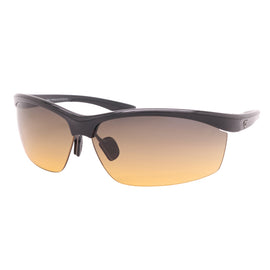
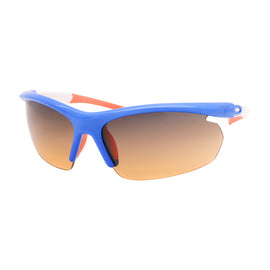
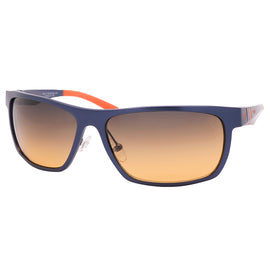
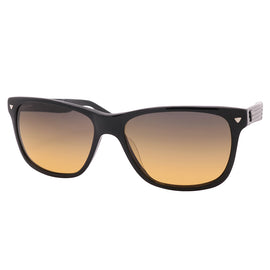
The non-polarized dual zone lens technology helps golfers manage both bright skies and darker terrain simultaneously. The upper portion of the lens controls brightness from above, while the lower portion enhances contrast and detail on the course itself.
RA filters built into the lenses help reduce glare from multiple angles without sacrificing important visual information such as surface texture, moisture, or subtle slopes. Combined with UV400 protection, PeakVision lenses help golfers maintain clearer, more comfortable vision from the first tee shot to the final putt.
Golf is played in constantly changing light conditions, and your vision needs to adapt every step of the way. From early morning glare to late-day shadows, what you see influences every decision you make on the course. With the right eyewear, golfers can reduce visual fatigue, improve clarity, and maintain confidence throughout the entire round.
Explore the PeakVision Golf Collection and experience sunglasses designed to perform in every lighting condition the course throws your way.