



How Snowy Conditions Amplify UV Exposure in Golf

Winter Golf and the Risks of Snow Reflection
Golf doesn't stop just because the temperature drops. For many dedicated players, winter rounds and even snow-covered fairways are part of the game. While cold weather gear usually gets top priority, one of the most overlooked risks of winter golf is eye protection. Playing golf in snowy conditions without proper eyewear can expose your eyes to dangerously high levels of ultraviolet radiation and intense glare that can cause both short-term discomfort and long-term damage.
Snow Reflects Up to 80% of UV Rays
Many golfers assume UV exposure is only a concern on bright summer days. In reality, snow is one of the most reflective natural surfaces on earth. According to The Skin Cancer Foundation, "snow reflects up to 80 percent of the sun’s UV light" and that light is directed back up toward your eyes. This means your eyes are hit not only by direct UV rays from above, but also by reflected rays coming up from the ground.
On a snow-covered course, every fairway, green, bunker edge, and even cart paths can amplify UV exposure. This reflected radiation significantly increases the risk of eye strain, temporary vision issues, and long-term conditions such as cataracts and macular damage.
The Hidden Danger of Glare on Snowy Courses
Beyond UV exposure, glare is one of the most immediate hazards when golfing in snowy conditions. Snow creates a high-contrast environment where bright white surfaces sit next to darker trees, shadows, and flags. This constant contrast forces your eyes to work harder, leading to fatigue, squinting, and reduced visual clarity.
Glare can also interfere with depth perception, making it more difficult to read greens, track ball flight, and judge distances accurately. For golfers, this is not just a comfort issue. It can directly impact performance and safety.
How PeakVision’s RA Filter Protects Your Eyes
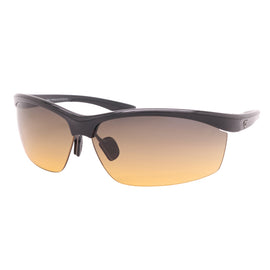
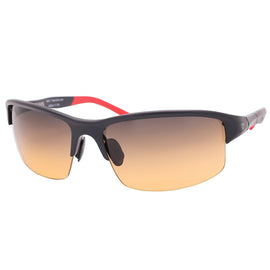
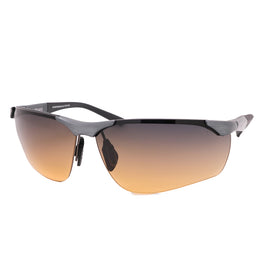
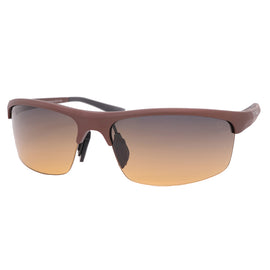
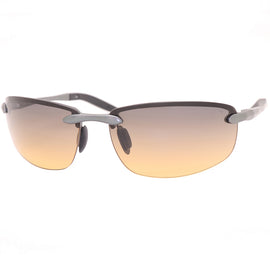
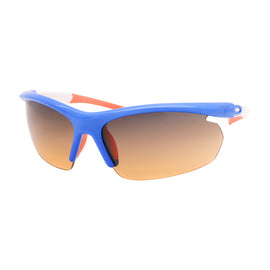
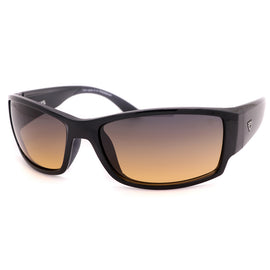
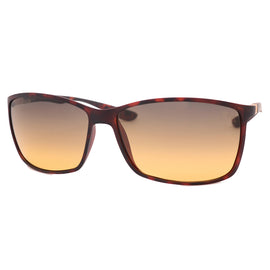
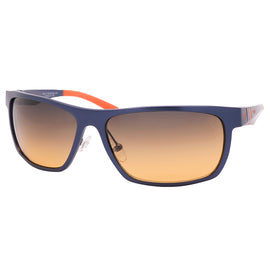
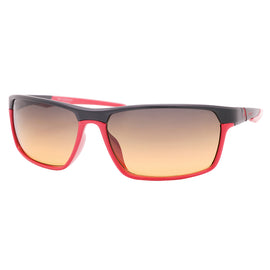
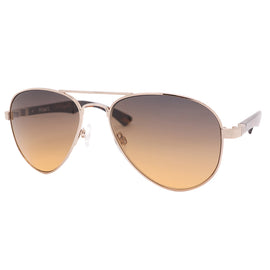
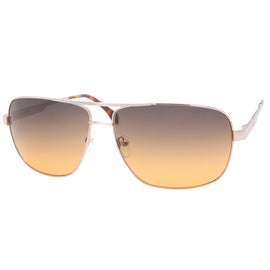
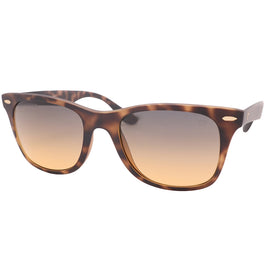
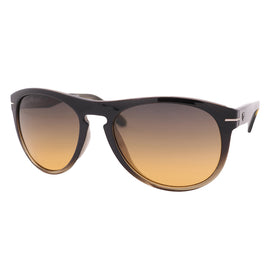
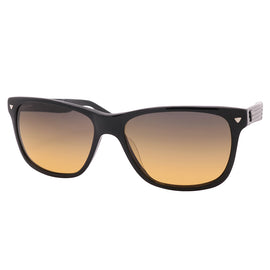
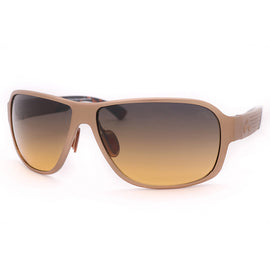
PeakVision sunglasses are engineered specifically to handle extreme glare and high-UV environments, including snowy conditions. The built-in RA filter is applied to both the front and back of the lenses, providing comprehensive protection from harmful light entering the eye from all angles.
By filtering glare at the source and reducing reflected light before it reaches your eyes, the RA filter helps maintain visual clarity even on highly reflective snow-covered surfaces. This dual-side protection is especially important in winter golf, where reflected light from below is just as intense as sunlight from above.
UV400 Protection You Can Rely On
All PeakVision lenses provide UV400 protection, blocking 100% of harmful UVA and UVB rays. In snowy environments where UV exposure is amplified, this level of protection is essential rather than optional.
UV400 protection helps safeguard your eyes against both immediate discomfort and cumulative damage that can occur over years of exposure. Whether you are playing a full round or practicing on the range in winter conditions, consistent eye protection is key to long-term eye health.
Clear Vision in Any Season
Golf can be a year-round sport, and your eyewear should be ready for every condition. Snowy rounds may look peaceful, but they create one of the harshest visual environments a golfer can face. High UV reflection, intense glare, and constant contrast changes place significant strain on unprotected eyes.
PeakVision sunglasses are designed to meet these challenges head-on, allowing golfers to see clearly, stay comfortable, and protect their eyes even in extreme winter conditions. When you step onto a snow-covered course, proper eye protection is not just about performance. It is about protecting your vision for years to come.