












Hydrophobic and Oleophobic Coatings

If you play early, you know how it goes. The grass is soaked, the air is heavy, and by the third hole there's a film of dew, sweat or sunscreen on your sunglasses. You wipe them on your shirt, and now there's a smear right where you're trying to read the putt.
That's why our lenses carry two coatings. The first is hydrophobic, which means it repels water. Dew, sweat and light rain bead up and roll off instead of spreading into a film. The second is oleophobic, which means it repels oil. Fingerprints, sunscreen and the oil from your skin have a harder time sticking, and when they do stick, they wipe off clean instead of smearing.
Why golfers notice it
Golfers handle their sunglasses all round. You push them up to check a yardage, take them off to talk, adjust your cap with sunscreen still on your hands. The coatings won't make a lens smudge-proof, but they're the difference between one quick wipe and fighting a smear for the next three holes.
They help when the weather turns, too. A misty morning or a passing shower doesn't leave spots across the lens, so you can keep your eyes on the ball instead of looking through drops.
Keeping them working
The coatings last longest when you're gentle with them. Rinse off sand and grit before you wipe, use a microfiber cloth, and skip paper towels, household glass cleaner and a hot dashboard.
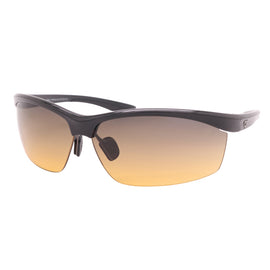
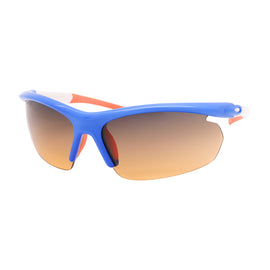
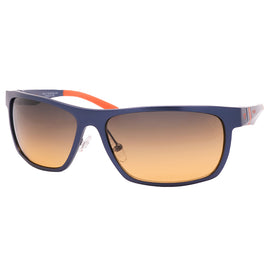
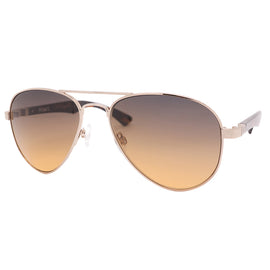
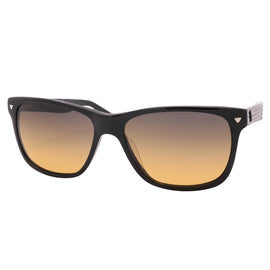
Both coatings sit on top of our Dual-Zone lens: gray on top for glare, high-contrast amber on the bottom for detail in the grass. The GX5 is our best seller, the GX6 has a taller lens and spring hinges, and the PK1 is a smaller everyday frame. Or see all our golf sunglasses.
Every pair ships free in the US within a day, and you have 30 days to send them back if they don't work for you.