




Things Athletes Miss Because of Glare

The Hidden Visual Obstacle That Can Impact Performance
Most athletes understand that bright sunlight can be uncomfortable. What many do not realize is that glare does more than make you squint. It can actually prevent you from seeing important visual information that affects performance, decision-making, and safety.
Whether you are golfing, playing pickleball, disc golfing, skiing, cycling, or simply spending time outdoors, glare can hide critical details that your eyes rely on to interpret the world around you. The problem is not always what glare makes you see. Often, it is what glare prevents you from seeing.
Surface Texture and Terrain
One of the first things glare can hide is surface detail. When excessive reflected light washes over a surface, subtle textures become more difficult to distinguish. Grass can appear flatter, slopes can seem less noticeable, and terrain changes can blend together.
For golfers, this may mean missing subtle contours on a green or failing to recognize moisture levels in the fairway. For skiers, glare can make it harder to differentiate between packed snow and icy conditions. For runners and cyclists, uneven pavement or trail obstacles can become more difficult to identify. The ability to see surface texture is often the difference between reacting confidently and reacting too late.
Changes in Elevation
Depth perception relies heavily on contrast and visual detail. When glare reduces contrast, terrain can appear flatter than it actually is. Athletes may have difficulty identifying:
- Slopes and elevation changes
- Depressions in the ground
- Hills and ridges
- Subtle breaks and contours
This can affect everything from club selection in golf to route planning in trail sports.
Objects in Motion
Glare can make it more difficult to track moving objects against bright backgrounds. Golfers may lose sight of a ball against a bright sky. Disc golfers can struggle to follow a disc through sunlight. Pickleball and tennis players may have difficulty tracking the ball as it moves through areas of intense brightness. Even a brief loss of visual tracking can affect timing, reaction speed, and overall performance.
Hazards and Obstacles
Outdoor environments are constantly changing. Athletes often need to quickly recognize hazards before they become problems. Glare can conceal:
- Tree roots and rocks
- Water hazards
- Bunker edges
- Trail obstacles
- Changes in surface conditions
The brighter the environment, the more important it becomes to maintain visual clarity and contrast.
Color and Contrast Differences
Our eyes use color and contrast to interpret visual information quickly. When glare overwhelms the visual field, colors can appear washed out and contrast can decrease. This makes it harder to distinguish objects from their surroundings. Athletes rely on these visual cues to identify targets, read terrain, and react efficiently. When contrast is reduced, performance can suffer.
Eye Fatigue and Mental Focus
Even when glare does not completely obscure an object, it forces the eyes to work harder. Constant squinting and visual adjustment can lead to eye fatigue throughout a game, round, or competition. As fatigue increases, concentration often decreases. Many athletes notice this late in an event when decision-making feels slower and visual sharpness begins to fade. Reducing glare helps preserve energy and allows the eyes to remain comfortable for longer periods of time.
How PeakVision Helps Athletes See More
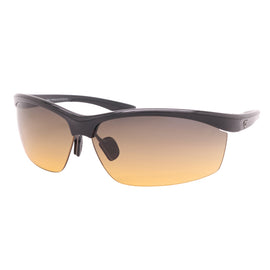
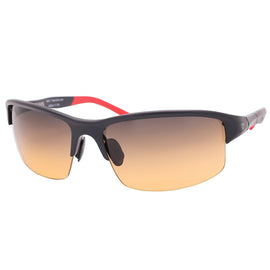
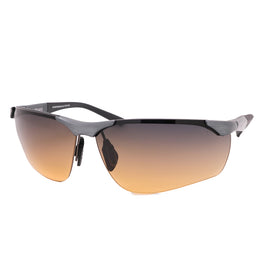
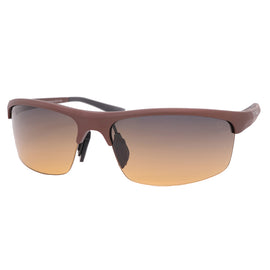
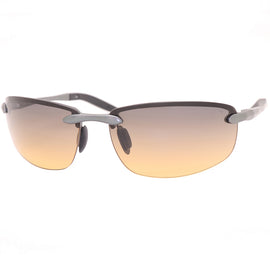
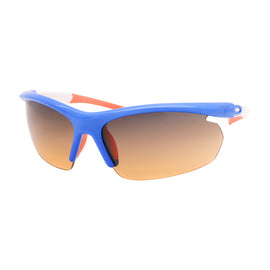
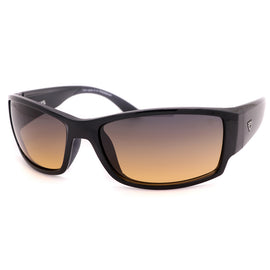
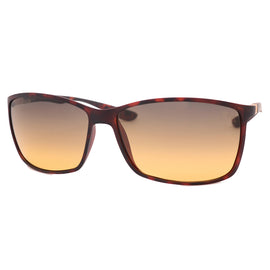
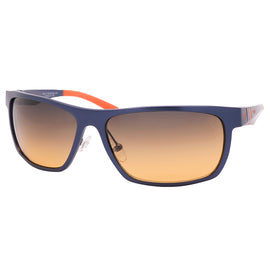
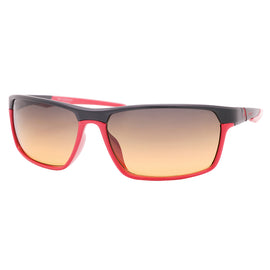
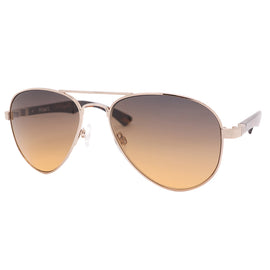
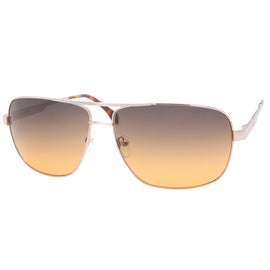
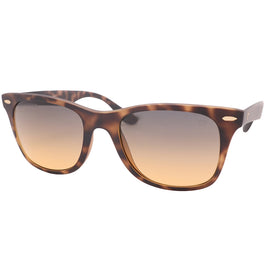
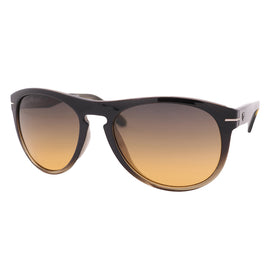
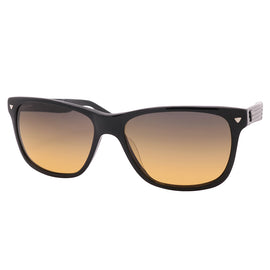
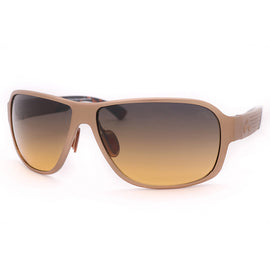
PeakVision sunglasses are designed to reduce harsh glare without sacrificing the visual information athletes need. Unlike lenses that simply darken the world, PeakVision's Dual-Zone Lens Technology helps maintain contrast and preserve important details. The upper portion manages brightness from the sky, while the lower portion enhances clarity and detail on the terrain below. RA filters help combat glare from multiple angles, while UV400 protection shields the eyes from harmful ultraviolet rays. The result is a clearer, more comfortable view of the environment and the ability to see details that glare might otherwise hide.
Athletic performance depends on seeing the right information at the right time. When glare hides important visual cues, athletes are forced to make decisions with incomplete information. Explore the PeakVision collection and discover how reducing glare can help you see more of what matters.