





What UV400 Protection Actually Means

Understanding the Protection Behind the UV400 Label
When shopping for sunglasses, you have probably seen terms like UV protection, UV400, polarized, or glare reduction. With so many lens features competing for attention, it can be difficult to know which ones actually matter for protecting your eyes. One of the most important is UV400 protection.
UV400 is not simply a description of how dark a pair of sunglasses looks. It refers to protection against ultraviolet radiation at wavelengths up to 400 nanometers, covering the UVA and UVB ranges that reach us from the sun. The FDA recommends choosing sunglasses labeled UV400 or 100% UV protection and says these lenses block more than 99% of UVA and UVB radiation. For athletes and anyone who spends significant time outdoors, understanding that distinction is important.
What Does UV400 Mean?
Ultraviolet radiation exists just beyond the visible portion of the light spectrum. Although you cannot see UV radiation, your eyes can still be exposed to it. UV400 lenses are designed to block ultraviolet wavelengths up to 400 nanometers. This encompasses both UVA and UVB radiation. The American Optometric Association recommends sunglasses that block 99 to 100% of both UVA and UVB rays. That makes UV400 an important feature to look for when selecting sunglasses for golf, tennis, disc golf, skiing, driving, or everyday outdoor use.
Darker Does Not Necessarily Mean Safer
One of the biggest misconceptions about sunglasses is that a darker lens automatically provides better UV protection. It doesn't. Lens tint determines how much visible light reaches your eyes, while UV protection concerns invisible ultraviolet radiation. A relatively light-colored lens can offer excellent UV protection, while a dark lens should not be assumed to provide adequate UV protection unless it is properly rated.
In fact, the FDA specifically warns consumers not to mistake a dark tint for UV protection. Behind dark lenses, your pupils can dilate, making reliable UV filtration especially important. When evaluating sunglasses, look beyond how dark the lenses appear and pay attention to their actual UV rating.
Why UV Exposure Matters to Your Eyes
Long-term UV exposure is associated with several eye and vision problems. The American Optometric Association notes that chronic exposure to UV radiation is a risk factor for conditions including cataracts and pterygium, while high levels of exposure can cause Photokeratitis and Photoconjunctivitis. For people who regularly spend hours outside, protecting the eyes should therefore be treated much like protecting the skin from excessive sun exposure.
Reflected UV Can Increase Your Exposure. UV radiation does not only travel directly from the sun to your eyes. Your surroundings can reflect it as well. Snow, sand, grass, and water can reflect UV radiation, increasing exposure in outdoor environments.
That makes eye protection particularly important for activities such as Golf, Tennis and Pickleball, Skiing and snow sports, Fishing and boating, Disc-Golf, Running and cycling, Hiking and other outdoor recreation. It also means UV protection matters on more than just perfectly clear summer afternoons. Cloud cover does not eliminate UV exposure, either.
UV Protection and Glare Protection Are Not the Same Thing
Another important distinction is the difference between UV protection and glare management. UV400 protection addresses ultraviolet radiation. Glare protection addresses excessive or reflected visible light that can interfere with comfortable, clear vision.
A quality performance lens should consider both. This distinction is particularly important for athletes because reducing brightness alone doesn't necessarily provide the visual clarity needed to read terrain, track a ball, judge distance, or identify changes in surface conditions.
How PeakVision Approaches Eye Protection
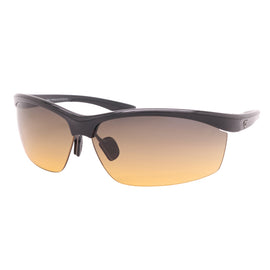
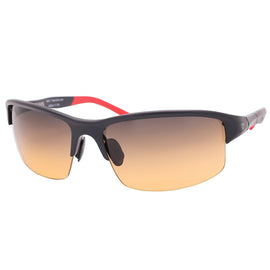
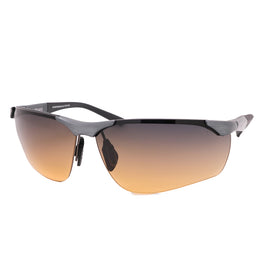
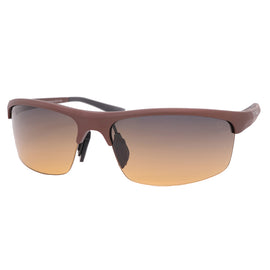
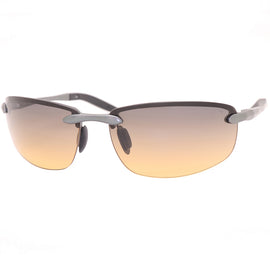
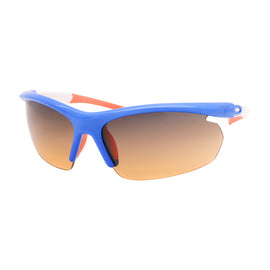
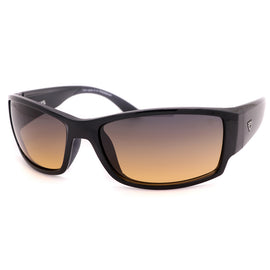
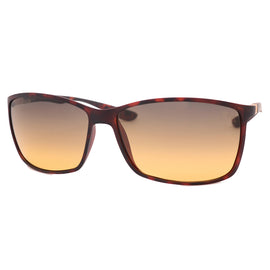
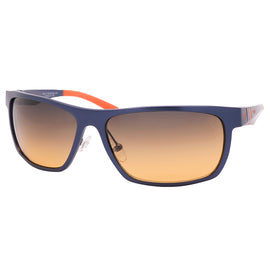
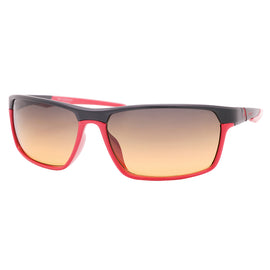
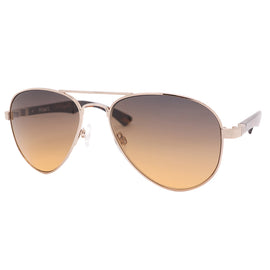
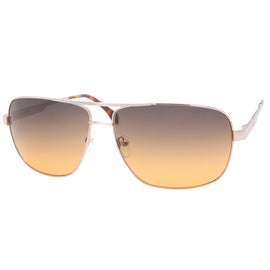
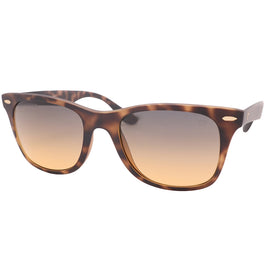
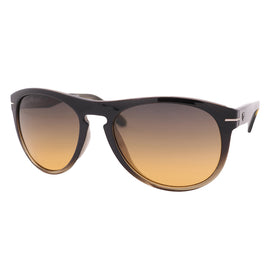
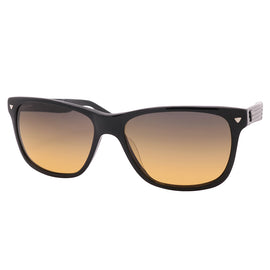
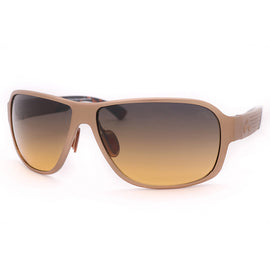
PeakVision sunglasses combine UV400 protection with performance-focused lens technologies designed for outdoor environments. UV400 protection helps shield your eyes from harmful UVA and UVB radiation, while PeakVision's lens technology addresses the visual challenges athletes encounter throughout the day.
PeakVision's patented Dual-Zone lenses balance the bright sky above with the darker terrain below the horizon. Built-in RA filters help combat distracting glare, while zero-distortion optics are designed to maintain exceptional clarity throughout the lens. Rather than simply making the world darker, the goal is to help you see your environment clearly while providing the UV protection your eyes need.
Protection Shouldn't Come at the Expense of Performance
Whether you're reading a green, tracking a tennis ball, following a disc through the sky, or spending an afternoon outdoors, your sunglasses should protect your eyes and help you see clearly. UV400 protection addresses something you cannot see, but that does not make it any less important.
The next time you choose a pair of sunglasses, don't judge protection by the darkness of the lens alone. Look for UV400 protection combined with the optical clarity and glare management appropriate for how you plan to use them. Explore the PeakVision Collection to discover performance sunglasses designed to deliver UV400 protection, exceptional clarity, and advanced glare management wherever the day takes you.