











Why Don't Pro Golfers Wear Sunglasses?
Turn on any tour event on a sunny afternoon and count how many players are squinting. It's a lot. These are people who spend six hours a day in the sun, so why wouldn't they wear sunglasses?
Ask around and you hear the same answer: they mess with the greens.
Most sport sunglasses are polarized (here's why that matters for golf). That's great for cutting glare off a lake, but the shine on a putting green is information. It tells you which way the grass is growing and where the slope falls off. A polarized lens strips a lot of that out, and when your paycheck depends on reading a 12-footer, you don't give that up.
The other complaint is depth. A dark lens dims everything the same amount, which is fine looking down the fairway but can make the ground right in front of you feel a little off. Players would rather deal with the sun than second-guess a yardage or a break.
Then there's the hassle. If your glasses work for a drive but not for a putt, you're taking them on and off all day, and plenty of pros just decide it isn't worth it.
None of that means golfers shouldn't wear sunglasses. Squinting through four hours of glare wears you out, and it isn't great for your eyes either. It just means most sunglasses weren't made for golf.
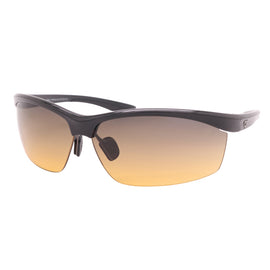
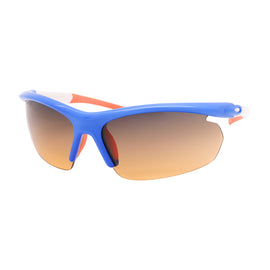
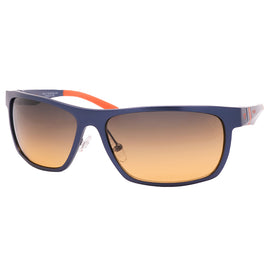
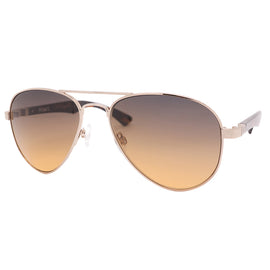
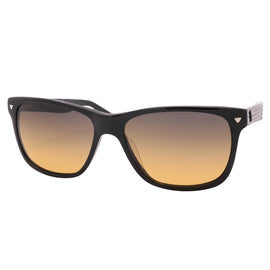
That's the problem we set out to fix. Our lens is non-polarized, so the green still reads like a green. The top of the lens is gray to handle the sky when you're following the ball. The bottom is high-contrast amber, so when you look down at the ball or across the green, things get sharper instead of darker. You can leave them on for every shot, putts included.
Our brand ambassador John Maginnes wears his "Peaks" on the course and talks about them on air. If you want to see how the lens works, here's the full breakdown, or take a look at our golf frames.