













Why Peripheral Vision Matters in Sports

Great Vision Is About More Than What Is Directly in Front of You
When athletes think about vision, they often focus on what they are looking directly at. A golfer watches the ball. A tennis player focuses on an opponent's return. A disc golfer studies the intended flight path. But your eyes are processing much more than the small area at the center of your attention.
Peripheral vision helps you remain aware of movement, obstacles, positioning, and changes in your surroundings without having to turn your head and look directly at everything around you. In sports where decisions happen quickly and environments constantly change, that wider field of vision can be extremely valuable. That is also why the optical quality of a performance sunglass lens matters beyond its center.
What Is Peripheral Vision?
Peripheral vision is everything you perceive outside your direct line of sight. When you're looking straight ahead, you can still detect objects and movement to either side. Your peripheral vision helps provide spatial awareness and gives your brain additional information about the environment around you.
In everyday life, you use it constantly without thinking about it. During sports, however, its importance becomes much easier to recognize. An athlete rarely operates in a perfectly stationary environment. Balls move. Players change position. Terrain changes. Obstacles enter the field of view. Your eyes need to take in the bigger picture.
Golf Requires More Than Tunnel Vision
Golf may not immediately seem like a sport that places heavy demands on peripheral vision, but consider everything a golfer evaluates before taking a shot. You're looking toward a target while remaining aware of bunkers, water, trees, slopes, and other landmarks surrounding your intended line.
When putting, your primary attention may be on the ball and target line, but the contours surrounding that line provide valuable information about the shape of the green. Clear peripheral vision allows the entire scene to remain visually coherent rather than limiting useful clarity to whatever happens to be directly in front of your eyes.
Tennis Makes Peripheral Awareness Even More Important
On a tennis court, the visual environment changes rapidly. A player needs to track the ball while also remaining aware of an opponent's position and movement. In doubles, another player adds even more visual information to process. You cannot turn your head to deliberately inspect every part of the court during a rally. Peripheral awareness helps you understand what's happening around the object you're directly tracking, providing context as you prepare for the next shot.
Seeing the Whole Line in Disc Golf
Disc golf provides another excellent example. On a wooded course, a player may focus on a narrow opening between two trees, but that opening is only one part of the intended flight path.
Branches, additional trees, terrain, and landing areas surround the primary line. Being able to clearly perceive those surrounding elements helps create a more complete picture of the shot. On open courses, peripheral awareness can also help players understand the relationship between their target, surrounding hazards, and available landing areas.
Why Lens Distortion Matters
This is where sunglass design becomes particularly important. Many curved sports sunglasses provide excellent coverage, but bending a lens around the face creates an optical challenge. If the lens isn't engineered properly, looking through areas away from its optical center can introduce distortion.
You might not consciously think, "My sunglasses are distorting my peripheral vision." Instead, the surrounding environment may simply appear slightly warped, less sharp, or visually uncomfortable. For an athlete, that defeats part of the purpose of performance eyewear. You shouldn't have to turn your entire head every time you want a clear view through another portion of the lens.
Zero-Distortion Optics From PeakVision
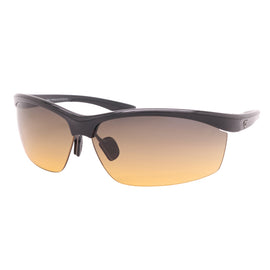
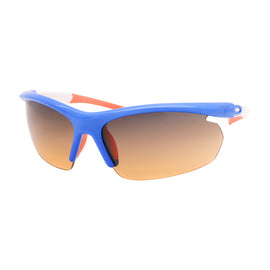
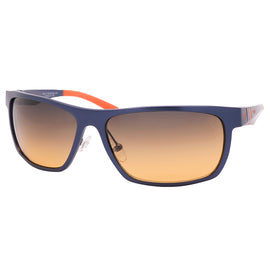
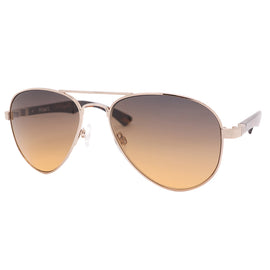
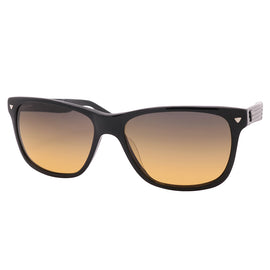
PeakVision's lens technology was developed with optical clarity as a priority. The goal of zero-distortion optics is to maintain clear, accurate vision throughout the lens so athletes can look beyond the center without encountering the visual distortion commonly associated with curved eyewear. That becomes particularly valuable in sport frames that provide greater coverage around the face.
Whether you're glancing toward the edge of a green, following a tennis ball across the court, or scanning the obstacles surrounding a disc golf line, the lens should allow your eyes to move naturally.
Your Frames Matter Too
Lens quality isn't the only consideration. The design of the frame itself can influence your usable field of view. Large, poorly positioned frame components can create unnecessary visual obstructions, while performance-oriented designs can provide coverage without making the wearer feel as though they're looking through a narrow window.
Fit also matters. Sunglasses that continually slide down your nose or shift during movement change where your eyes are looking through the lenses. A secure, lightweight frame helps keep the optics properly positioned while allowing you to concentrate on the activity rather than your eyewear.
See More Than What's Straight Ahead
Sports are rarely played in a straight line. The ball moves. The terrain changes. Opponents reposition. Hazards surround the target. Your eyes continuously collect information from across your field of view to help you understand what happens next. That's why PeakVision believes performance eyewear should do more than reduce brightness.
With zero-distortion optics, non-polarized lens technology, glare management, UV400 protection, and sport-focused frame designs, PeakVision sunglasses are engineered to help provide clear, comfortable vision throughout your field of view. Explore the PeakVision collection and discover performance sunglasses designed to help you see the complete picture.